
Why we chose these plants
Gardens brimming with birds, butterflies and other wildlife provide a healthy environment for plants and people. Diversity is the watchword for wildlife gardening. Plants of different heights, colors, flower shapes and bloom times provide habitats needed for resting, reproduction, hibernating and feeding.
While the plants are an important aspect of a wildlife garden, there are other ways to make these beautiful creatures part of our garden. For instance, butterflies tend to like it warm and planting a diverse habitat will help to give them places to, not only, spend the night and find moisture, but also to bask in the sun. In Rick Mikula’s excellent book Garden Butterflies of North America, he writes of the need Butterflies have for soaking up some rays. Since their internal muscles must warm to 80 degrees for flight, providing light colored basking areas lets them rev up their engines faster. He suggests a butterfly, waterless pond. He makes his in the shape of a butterfly, but any shape will do. You make an indentation in the soil, line it with plastic, add a few similar in size light colored stones or sand and stand back. He adds that if morning dew collects, the butterflies will find this moisture when they come to bask. Of course, the sidewalk will work too, but it is not as much fun.
Please don’t spray the garden with chemical pesticides or use systemics (chemical fertilizers and pesticides that go from the roots through stems to leaves). Even natural controls can harm birds and butterflies so be sure to read all directions before using any pesticide. The goal is to create a balance where nature takes control. Oh, and, watch the Bug Zappers. They kill night flying moths, but don’t do any damage to daytime flies and mosquitoes. Moths are important nocturnal pollinators.
The following six plants are a start for making your garden, not only a successful wildlife habitat, but also a successful garden. These six plant are rated to over winter in zones 5 through 11.
Yarrow
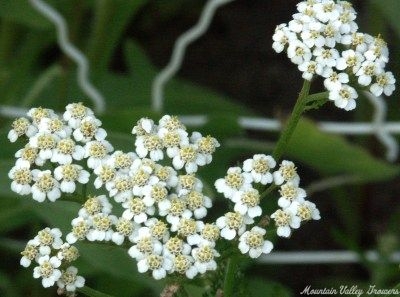
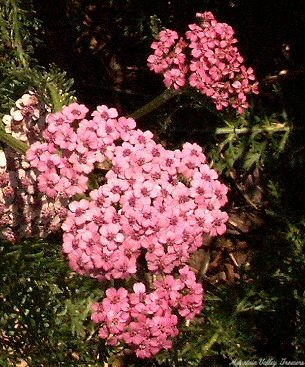
No wonder butterflies like yarrow. It blooms for a long time and is hardy from zone 3. It is fairly drought tolerant. With its blooms it grows to a lanky 18 to 24 inches. Shearing it back to the ground a couple of times a year keeps it producing fresh blossom heads. This garden may include either Cerise Queen Yarrow, Bulldog Red Yarrow or White Yarrow.
Dwarf Blue Butterfly Bush
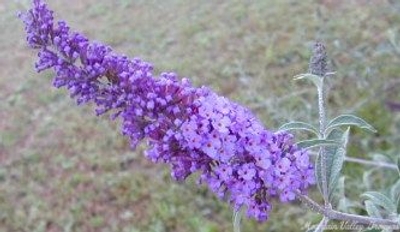
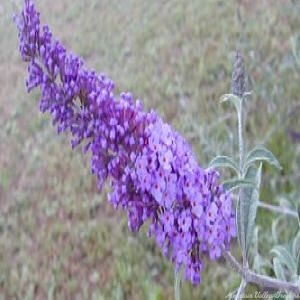
These bushes, sometimes called summer lilacs, are really butterfly airports. Their sweet, honey fragrance attracts butterflies of all kinds. Dwarf Blue is one of the tidier butterfly bushes. However, the title dwarf is misleading because it is the leaves and the flowers that are smaller and not the overall size of the bush. Because the leaves are smaller the bush tends to grow a little slower and this slow growth creates a better formed shrub. While the other davidii’s need yearly or bi-yearly pruning, this bush only needs occasional pruning of dead branches or for a little shape. If you garden in zones 5 or 6 they will probably die back in the winter and you will prune them off to the ground like other butterfly bushes. Dwarf Blue Butterfly Bush is hardy to zone 5, tolerant of blazing hot sun, and able to grow in heavy soil with adequate drainage. Dwarf Blue Butterfly Bush is not really blue either. But, it must have a touch of blue in it because it goes well with pinks. Planted with Magic Carrousel Miniature Pink Roses, it makes a great haven for all of us. A great way to involve kids in the garden is to introduce them to butterfly gardening. Like all endeavors, the more you or your kids know about the different kinds of butterflies and their habits, the more interesting their world will become.
Butterfly bushes are also a favorite of hummingbirds, which contrary to popular belief, actually do visit flowers that are not red. Birds are also attracted to the protective branches for nesting and for perching on while surveying for insects.
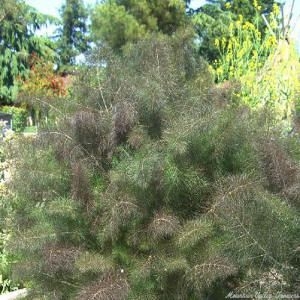
Bronze Fennel
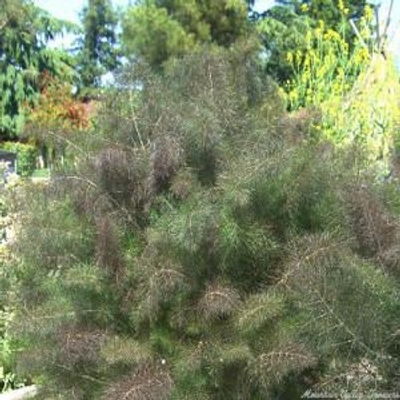
What a beautiful addition to any garden! Bronze Fennel has a wonderful licorice flavor and, while we love to use it in cooking, it is the Anise Swallowtail and the Eastern Black Swallowtail that really appreciate this plant. The caterpillars of these beautiful butterflies find this an irresistible host plant. They love it so much, that you may need to plant extra for you.
When Bronze Fennel blooms, it attracts beneficial insects. Bronze Fennel seeds are enjoyed by small birds such as the bushtit.
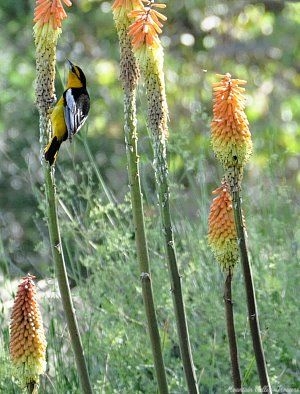
Red Hot Poker
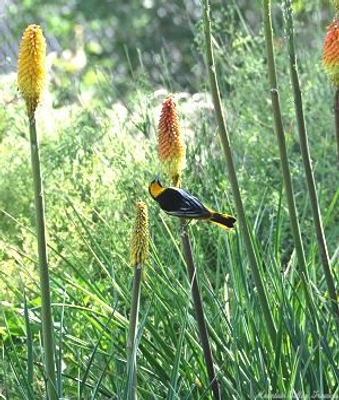
The Oriole is one of the most beautifully colored birds and just happens to be a perfect color match for the spiky Kniphofia flowers. This patch of Kniphofia is now in its sixth year and every year the Orioles visit. It is the only time they are seen here and this is the only plant they have been spotted visiting for any length of time. The nectar must be mighty tasty because the birds work relentlessly to sip from each flower tube.
Not to be outdone by the Orioles the hummingbirds get pretty possessive of the nectar rich flowers, but no matter how much the little hummers buzz around they cannot run off the Orioles.
Kniphofias, sometimes called Torch Lillies, bloom in early spring and it takes a few blooms before the Orioles show up. If the flower stalks are allowed to make seeds, the finches will come and feed on the seeds which are encased in a sticky wrap that helps them stay on the stalks well into fall.
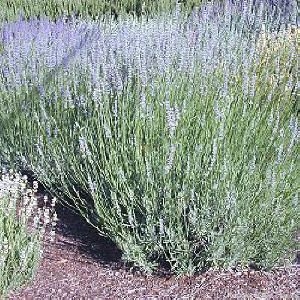
Grappenhall Lavender
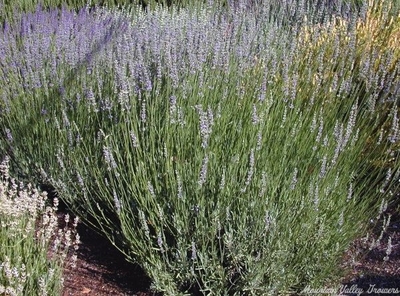
At about 3 feet in bloom, Grappenhall Lavender is on one of the largest zone 5 lavenders. Its sturdy branches provide perches for small birds on the look out for insects. Grappenhall blooms in late spring for about four weeks. In that time, the bees and butterflies will have a field day and the air will be sweetly scented. When it is through blooming, remove the spent flower stalks. If buds are still left on the stems, these can be stripped and used for any number of craft projects.
Be sure to check out our lavender care and tips
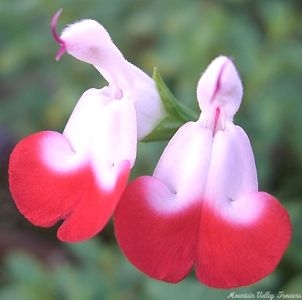
Hot Lips Salvia
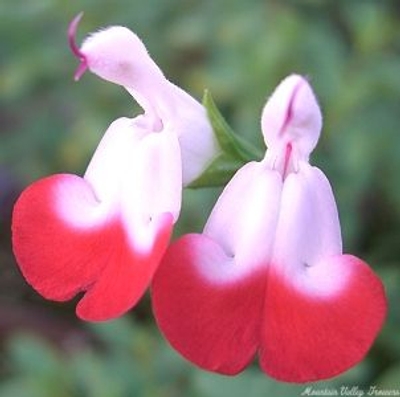
Hummingbirds love red Salvias and we love Hot Lips. Hot Lips Salvia is an easy to grow, show stopping perennial for most gardeners. Its bicolor flowers in the summer can be all red in the cool spring or fall. Sometimes they are mottled like a peppermint candy cane. Hot Lips Salvia reaches two to three feet high and, depending on how hard you prune it, can layer roots and be as wide as you let it be. Basically a carefree garden plant, it just needs to be pruned once a year. This can be done either in late summer or early spring just as the plant starts to grow. If you live in a really cold climate, it makes a great container plant. Be sure to check each year to make sure it has not outgrown its container.
Additional plants to consider
The plants listed here make excellent additions to this collection. Click through to read more about them or add them to your order.